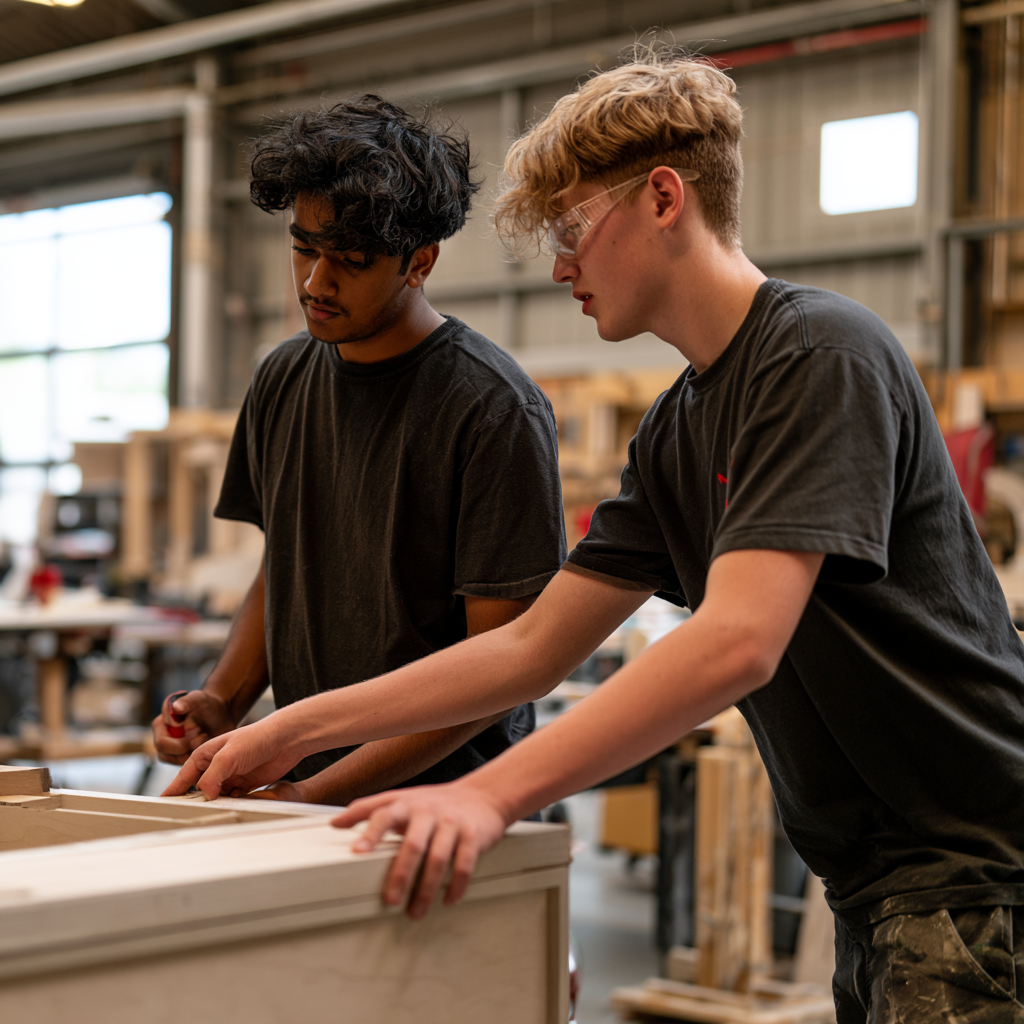
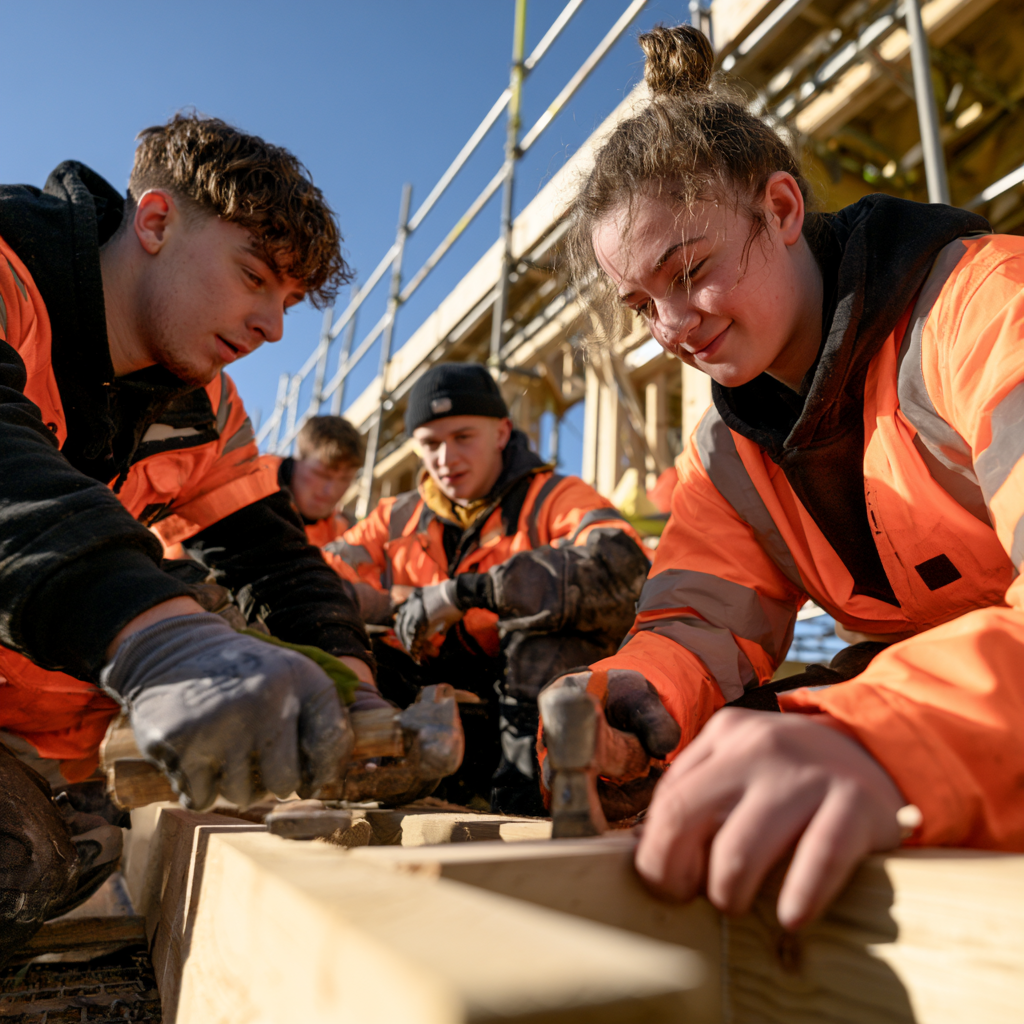
Nexus is an innovative Year 10 pathways program designed to engage students who are pursuing vocational, applied learning, or employment-focused futures.
Through a combination of tailored learning experiences, industry exposure, practical skill development and career exploration, students will develop the knowledge, confidence and capabilities needed for success beyond school. Nexus creates meaningful connections between learning and real-world opportunities, helping students identify their strengths, interests and aspirations. The program provides a supportive pathway into VCE Vocational Major, apprenticeships, traineeships and further training, while fostering engagement, purpose and positive participation in school life.
Students enrolled in the Nexus stream attend school on site at SWSC three to four days per week. During the remaining two days each week, students are engaged in their off-site work experience program building their skills in the vocational pathway of their choosing and undertaking either a Certificate II or Certificate III training qualification.
Over the course of the year, students engage in a range of SWSC-based subjects as well as a sustained internal VET course. An overview of each of these subjects is included below:
Numeracy
Students develop their fundamental numeracy skills building upon their mathematics studies from Year 9. These include core components of numeracy that will facilitate successful transition into a range of vocational pathways.
Literacy
Students continue to strengthen their fundamental literacy skills of reading, writing, speaking and listening through a range of authentic and real-world activities designed to facilitate learning across multiple vocations.
Hands on Learning
Students work collaboratively on a range of hands-on projects across the year, engaging with the broader school community and stepping out of the classroom to engage in practical skill development and team building.
Certificate II in Skills for Work and Vocational Pathways
The major portion of the on-site studies for students is in a Certificate II VET Program [Vocational Education Training] This course provides a supportive transition into the world of work or further education, helping students connect their current strengths to future goals while building a solid platform for success. This program will also facilitate greater success with the school-based aprenticeship that students undertake alongside their studies at SWSC.
The Certificate II in Skills for Work and Vocational Pathways supports students to build confidence in the essential foundation skills needed for future employment or further training. Through practical learning in reading, writing, oral communication, numeracy, and digital literacy, students gain the capabilities to participate effectively in workplace or vocational settings.
Learning Areas
Job Opportunities
Workplace readiness and professional expectations
Career planning and employment preparation
Workplace communication skills
Digital literacy and technology use
Workplace collaboration and interaction
Numeracy and analytical thinking for work
Workplace learning and adaptability
Entry-level positions
Administration Assistant
Customer service assistant
Retail or junior sales assistant
Data Entry clerk
Receptionist
Warehouse or delivery assistant
Hospitality worker
School-Based Apprenticeship or Traineeship
Working in conjunction with the Department of Education Head Start Program, students participate in a school-based apprenticeship and traineeship [SBAT] to develop skills, capabilities and confidence that employers in growth industries need.
SBAT students receive paid on-the-job training that contributes to their VCE-VM qualification. Students undertake this portion of the program across two days each week, directly with their employer.
Students may not necessarily be eligible to commence an SBAT at the very beginning of Year 10. All student students will be given the opportunity to meet with the Head Start team, however, in order to determine their readiness and come up with a plan for structured workplace learning throughout Year 10 and then moving forward into Year 11 and 12.
Students engage in 1:1 interviews with Head Start representatives to better ascertain their desired career path and interests.
Students and families work in conjuction with the Head Start team to source a suitable employer.
Throuhgout the SBAT, Head Start team members then regularly check-in with students in order to support them throughout their studies and work.
Progressing through to Year 11 and 12, successful SBAT students subsequently graduate with a Certificate II or III in their chosen vocational major in order to then pathway into either an apprenticeship, full-time employment, or further studies.
For those students who are not suitable or eligible for the SBAT at the beginning of Year 10, they instead work with the SWL Counsellor at school to source and confirm a work experience placement for the year [running each Tuesdsay].
Weekly Structure
Monday
Tuesday
Wednesday
Thursday
Friday
Flexible Learning Day
Hands on Learning projects on site at SWSC.
OR
SBAT Learning Day at work
Work Experience
No scheduled classes on site.
Students engaged with an employer in the area of their choice
OR
Second SBAT Learning Day at work
Structured Classes
Timetabled schedule on site
Numeracy
Literacy
AYCB
VET
Structured Classes
Timetabled schedule on site
Numeracy
Literacy
VET
Structured Classes
Timetabled schedule on site
Numeracy
Literacy
VET
How to find out more
The application process for the Nexus program is completed in conjunction with members of the Middle School Team. Students and familes can reach out to the Head of Year 9 for further information. It is important to note that this pathway option is not suitable for all students. Families will be invited to work closely with the Middle Years team before making a decision to pursue this program.
From there, an application form needs to be sumbitted to the school with submissions closing at the end of Term Three each year.
Below is a link to a brief video that summarises the program as well for your reference.